Astragalus root, a synergist for platinum-based chemotherapy drugs
Apr 10, 2026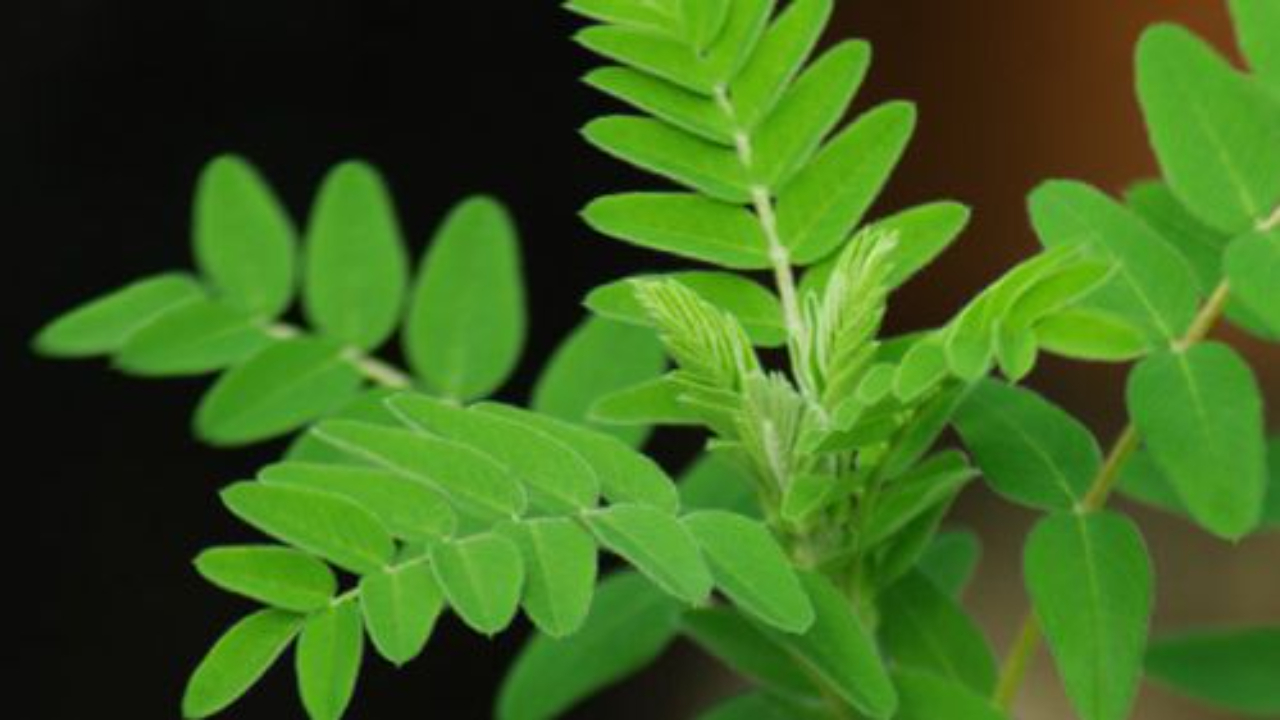
Synergistic effect of astragalus with platinum-based chemotherapy drugs
Michelle Bruncks, ONC, NTP, July 2024
Astragalus membranaceus is an herb also known as Huang chi or Huang qi and used in formulations in the practice of Traditional Chinese Medicine (TCM).
The powdered roots or tincture of astragalus can be purchased at herb shops and health food stores, making it attractive and cost effective to cancer patients seeking out herbal medicine in addition to their conventional treatments.
On its own, astragalus root has potent immunomodulating, antioxidant, anti-inflammatory, and anti-cancer effects, owed to its main constituents: polysaccharides, triterpenoid saponins, and flavonoids.
Polysaccharides enhance the function of lymphocytes and Natural Killer cells, while inhibiting T-helper cell type 2 cytokines, and activating macrophages to release nitric oxide and tumor necrosis factor-alpha (TNF-a). Saponins reduce the likelihood of angiogenesis and proliferation of cancerous cells. Flavonoids are well known for their antioxidant constituents and benefit to metabolic and cardiovascular health.
When used in combination with platinum-based chemotherapy drugs, such as cisplatin, carboplatin, and oxaliplatin, the immunomodulatory effect of astragalus root has been shown to increase the efficacy of these treatments.
While this synergy can be very beneficial to patient outcomes, it should be done with caution.
A lower dose of the chemotherapy drug should be considered when combined with administration of the herb as either an extract or in powdered root form.
It is important to review a patient's medication and supplement list. If a patient is already taking an herb for its immune-boosting effects, such as astragalus or another adaptogen, they may increase their risk of hepatoxicity due to the herb’s action on cytochrome p450.
Although inconclusive, studies suggest that the antiproliferative effects enhanced by the herb are due to an up-regulation of the tumor suppressor protein p53 and PTEN gene, by regulating p53/MDM2 positive and negative feedback loops.
Other studies point to the modulation of mTOR and ERK signaling to induce apoptosis and avoid adverse effects to the mitochondria, while downregulating COX2 to reduce VEGF levels and suppress angiogenesis.
Studies show a similar reduction of cancerous cells via apoptosis and upregulation of tumor-suppressor proteins when astragalus root is used as a synergist, with less adverse side effects noted by the patient.
In these various ways, astragalus has a synergistic and powerful effect when combined with platinum-based chemotherapy drugs.
If a patient is struggling to complete their treatment regimen due to adverse side effects, a lower dose of the platinum-based chemotherapy drug combined with astragalus membranaceus should be considered.
How to Approach your Oncologist about Incorporating Astragalus into your Treatment Plan
Herbal medicine and integrative therapies may not be common knowledge to doctors operating within the conventional model. Meeting them halfway with research and adequately cited articles (such as this one) rather than anecdotal evidence is the first step.
Patients also have the option to involve other care team members (such as nutritionists trained in oncology) to advocate on their behalf.
Lastly, if a doctor is not willing to at least explore the value of integrative care, it’s time to find someone who will take your health more seriously. I would search for “integrative oncologists” in your city, or find someone who will consult remotely.
Conventional medicine has great value, but it is far from the only tool we have.
To learn more about oncology support, book a Discovery Call or check out my services page here.
To start living an anticancer lifestyle, check out my Basics of Anticancer Nutrition Course.
References
Astragalus | Memorial Sloan Kettering Cancer Center. Published July 11, 2023. Accessed July 19, 2024. https://www.mskcc.org/cancer-care/integrative-medicine/herbs/astragalus
McCulloch M, See C, Shu X juan, et al. Astragalus-based Chinese herbs and platinum-based chemotherapy for advanced non-small-cell lung cancer: meta-analysis of randomized trials. J Clin Oncol. 2006;24(3):419-430. doi:10.1200/JCO.2005.03.6392
Sheik A, Kim K, Varaprasad GL, et al. The anti-cancerous activity of adaptogenic herb Astragalus membranaceus. Phytomedicine. 2021;91:153698. doi:10.1016/j.phymed.2021.153698
Cheng YY, Hsieh CH, Tsai TH. Concurrent administration of anticancer chemotherapy drug and herbal medicine on the perspective of pharmacokinetics. J Food Drug Anal. 26(2 Suppl):S88-S95. doi:10.1016/j.jfda.2018.01.003
Ye M na, Chen H feng, Zhou R juan, Liao M juan. [Effects of Astragalus polysaccharide on proliferation and Akt phosphorylation of the basal-like breast cancer cell line]. Zhong Xi Yi Jie He Xue Bao. 2011;9(12):1339-1346. doi:10.3736/jcim20111210
Auyeung KKW, Mok NL, Wong CM, Cho CH, Ko JKS. Astragalus saponins modulate mTOR and ERK signaling to promote apoptosis through the extrinsic pathway in HT-29 colon cancer cells. Int J Mol Med. 2010;26(3):341-349.
Tseng A, Yang CH, Chen CH, et al. An in vivo molecular response analysis of colorectal cancer treated with Astragalus membranaceus extract. Oncol Rep. 2016;35(2):659-668. doi:10.3892/or.2015.4441
Book a free Discovery Call to learn more.
Stay connected with news and updates!
Integrative cancer care resources, anti-cancer recipes, and whole-person health articles for those with a cancer diagnosis - at any stage of survivorship.
I don't spam, and I will never sell your information, for any reason.
