Does Alcohol Increase Cancer Risk? What the Research Actually Shows
Sep 04, 2026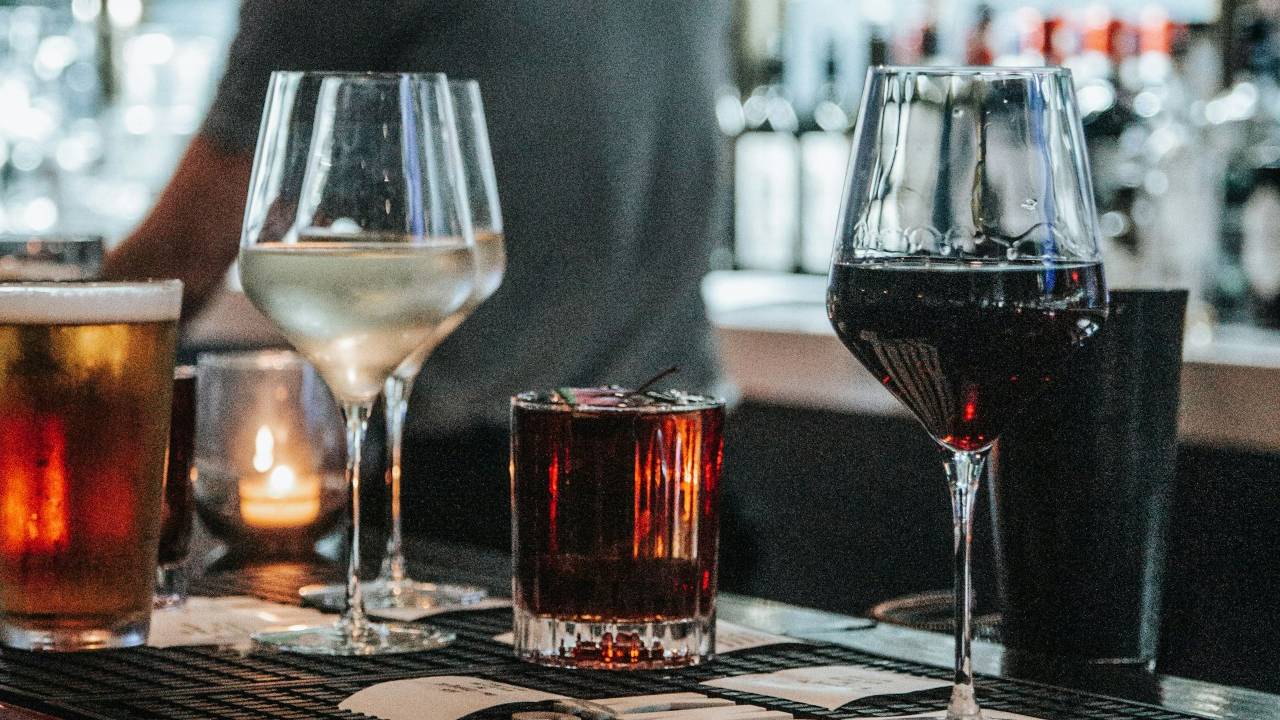
Does Alcohol Increase Cancer Risk? Here's What I Tell My Clients
If you've ever poured a glass of red wine and then paused, wondering whether that "heart healthy" reputation still holds up, you're asking a good question. Alcohol safety is a very common question, whether it's a client newly diagnosed and wondering what to do with the bottle already open in the fridge, or someone years out from treatment who just wants a straight answer.
Yes, alcohol increases cancer risk, and this applies to beer, wine, and spirits alike. It's one of the most well established, and most under-recognized, modifiable risk factors we know of.¹ The good news is that once you understand why, it becomes much easier to make a choice that actually fits your life and your health goals, rather than following a rule you don't believe in.
What the Research Tells Us
Alcohol is the third most common potentially avoidable cause of cancer in the United States, after cigarette smoking and excess body weight.¹ It's linked to cancers of the mouth, throat, voice box, esophagus, liver, colon and rectum, breast, and stomach, and researchers believe it likely contributes to others as well.¹ A recent analysis estimated that alcohol accounts for tens of thousands of preventable cancer cases and deaths in the US each year, a number that's climbed as the research has gotten stronger.³
Here's the part that surprises people: it's not just heavy drinking. For most of these cancers, risk rises with the amount you drink over time. But for breast cancer specifically, even low amounts of alcohol are associated with increased risk, largely because alcohol raises circulating estrogen levels, and estrogen plays a role in the growth of breast tissue.¹ This is one of the clearest examples of why "one drink a day" isn't automatically neutral, especially for a hormone sensitive cancer type.
Alcohol seems to raise cancer risk through a few overlapping mechanisms: it breaks down into a byproduct called acetaldehyde, which can damage DNA; it increases oxidative stress (essentially, cellular wear and tear from unstable molecules called free radicals); it can reduce your body's ability to absorb folate, a nutrient your cells need to repair themselves; and it can raise estrogen levels and contribute to weight gain, both of which are separately linked to cancer risk.¹
A note on "one drink"
Part of why this topic feels confusing is that most of us are pretty bad at eyeballing a standard drink. In the US, a standard drink contains about 14 grams of pure alcohol, which works out to roughly 12 ounces of regular beer, 5 ounces of wine, or 1.5 ounces of 80 proof liquor.⁴ Restaurant pours, home pours, and stronger craft beers or wines routinely exceed this. A generous glass of a 16% Zinfandel can quietly be closer to one and a half standard drinks, and a strong 8% craft beer can be more than two.⁵ If you're trying to track your intake accurately, the ounces and the alcohol percentage on the label matter more than the glass in front of you.
Where Red Wine Fits In (and Where It Doesn't)
I hear this one often: "But isn't red wine supposed to be good for you?" It's a reasonable question, because for years it was framed that way. Red wine contains resveratrol, a plant compound with antioxidant properties that's been studied for its potential role in heart and cell health.⁶ For a while, this fueled the idea that a daily glass of red wine might actually lower cancer risk.
Newer research has walked that back. A 2025 meta-analysis found no meaningful difference in cancer risk between red and white wine, and current guidance from major cancer centers is direct: there's no good evidence that drinking red wine reduces cancer risk.⁶ The amount of resveratrol in a glass of wine is also fairly small compared to what you'd get from whole foods, and whatever benefit it might offer appears to be outweighed by the ethanol itself, which drives the same DNA damage and oxidative stress I described above.⁶
Consuming resveratrol is beneficial, and you don't need the alcohol to get it. Red and purple grapes, berries (especially blueberries and cranberries), and dark chocolate all contain resveratrol or related polyphenols, without the carcinogenic tradeoff.⁶
What This Means in Real Life
I'm not going to tell you there's one right answer here, because there isn't, and pretending otherwise wouldn't serve you. What I can offer is a way to think it through:
- If you currently don't drink, there's no research based reason to start, even for the resveratrol or the occasional "for your heart" reasoning. You can get those same compounds through food.
- If you drink occasionally, the ACS guidance is a reasonable ceiling to work from: no more than one drink a day for women and two a day for men, measured as an actual standard drink, not a generous restaurant pour.¹ For some people, particularly those managing a hormone sensitive cancer risk or working through active treatment, even that may be more than makes sense, which is exactly the kind of thing worth individualizing.
- If alcohol is a regular part of your routine, whether that's a nightly glass of wine or weekend drinks with friends, this is worth an honest look at frequency and pour size before anything else. Small, sustainable shifts (a smaller pour, alcohol-free nights during the week, swapping in a resveratrol rich food instead) tend to stick better than an all-or-nothing rule.
I'll also say this plainly: this isn't about fear or deprivation. Food and drink carry meaning, connection, and pleasure, and that matters for your quality of life too.
My goal with clients is never to hand down a rule. It's to help you understand your own risk picture clearly enough that you can make a choice you can actually live with.
During Treatment vs. General Risk Reduction
This is a distinction I want to be really clear about, because the guidance is genuinely different depending on where you are.
During active cancer treatment, alcohol is a different conversation entirely. Even small amounts can irritate mouth sores caused by chemotherapy or radiation, and can make them worse.⁷ Alcohol can also interact with medications used during treatment, since many of these drugs are processed by the liver, the same organ responsible for breaking down alcohol, which can affect both drug metabolism and the risk of side effects.¹ For these reasons, it's genuinely important to talk with your cancer care team before drinking anything during treatment, not as a formality, but because the answer depends on your specific drugs, your liver function, and where you are in your treatment cycle. Tip: State your current alcohol intake or desired intake clearly and honestly. Neither you or your care team gain anything from fibs or shame.
For general, ongoing cancer risk reduction (whether you've never had a diagnosis or you've completed treatment), the picture is more about long term patterns than any single glass. It isn't yet fully clear whether alcohol use after treatment raises the risk of recurrence or a second cancer. But it's considered possible, and for people who've had cancers of the liver, larynx, or head and neck, current evidence suggests limiting or avoiding alcohol specifically, since it may be linked to a higher risk of dying from those cancers.¹
I want to name something important here: what's true for one cancer type is not automatically true for another. A recommendation that makes sense for someone with a history of hormone receptor positive breast cancer may not be the right frame for someone with a different diagnosis entirely. This is exactly why generic rules only get you so far, and why I always come back to your specific history, your specific treatment, and your specific labs when I'm working with a client 1:1.
Who Needs Individualized Guidance?
General research paints a picture for the general population. It can't tell you what's right for your body, your treatment plan, or your history. I'd encourage you to talk with your oncology team or an integrative practitioner (like me) before making changes to your alcohol intake if any of the following apply to you:
- You're in active treatment. Chemotherapy, radiation, and immunotherapy all interact with alcohol differently, and your care team needs to weigh in.
- You're working on weight management. Alcohol adds calories without nutrition, and since excess body weight is itself a separate, significant cancer risk factor, this often needs a coordinated approach rather than a standalone rule.
- You're dealing with digestive symptoms. Nausea, reflux, mouth or throat sensitivity, or GI upset can all be worsened by alcohol, sometimes in ways that aren't obvious until you connect the pattern.
- You're on medications that interact with alcohol. This goes well beyond chemotherapy. Many supportive care medications, anti-nausea drugs, pain medications, and antidepressants carry real interactions.
- You have a known genetic predisposition, such as a BRCA variant or another inherited tendency toward a hormone sensitive cancer. Alcohol's effect on estrogen may matter more for you than it would for someone without that history.
If any of these sound like you, that's not a reason to feel overwhelmed. It's exactly the kind of nuance that a one size fits all article, including this one, simply can't give you.
Frequently Asked Questions
Can cancer survivors drink wine?
There's no blanket answer, since it depends on your cancer type, your treatment history, and your current health. For most survivors, the general ACS guidance of no more than one drink a day for women and two a day for men is a reasonable starting point, but for certain cancers (particularly liver, larynx, head and neck, and hormone receptor positive breast cancer) more caution is warranted.¹ This is a great conversation to have directly with your oncology team or an Oncology Nutrition Consultant (ONC) who knows your history.
Is red wine actually safer than other types of alcohol?
No. When it comes to cancer risk, the amount of alcohol you drink matters far more than the type.¹ Beer, wine, and spirits all contain ethanol, and it's the ethanol, not the specific beverage, that drives most of the cancer risk. Red wine's resveratrol content doesn't appear to offset this.⁶
Is it safe to drink alcohol during chemotherapy?
In most cases, it's best to avoid alcohol during active treatment. It can worsen mouth sores, interact with how your liver processes chemotherapy drugs, and add strain to a body that's already working hard.¹ ⁷ Always check with your oncology team about your specific treatment plan before drinking anything.
What actually counts as "one drink"?
In the US, a standard drink has about 14 grams of pure alcohol: 12 ounces of regular beer, 5 ounces of wine, or 1.5 ounces of 80 proof liquor.⁴ Restaurant and home pours are frequently larger than this, and stronger beers or wines can contain considerably more alcohol per glass than the standard measure assumes.⁵
Does alcohol really increase breast cancer risk, even in small amounts?
Yes. Breast cancer is one of the clearest examples where even low levels of alcohol intake are associated with increased risk, largely tied to alcohol's effect on estrogen levels.¹ This is a particularly important conversation for anyone with a personal or family history of hormone receptor positive breast cancer.
Let's Look at Your Whole Picture
Research like this can only ever tell you what's true on average. It can't tell you what's true for you, your cancer type, your treatment plan, your genetics, or your relationship with food. That's the work I do with clients every day, combining the evidence with your actual history so you're not guessing.
If you're navigating a new diagnosis, currently in treatment, or years into survivorship and trying to figure out where alcohol (or anything else on your plate) fits, I'd love to help you build a plan that's actually yours. You can schedule a consultation to talk through personalized oncology nutrition support, or explore a Nutrition Genome nutrigenomics analysis to understand more about your own genetic predispositions and tendencies. Either way, you don't have to sort this out alone.
Michelle Bruncks is an Oncology Nutrition Consultant (ONC), NTP, and Nutrition Genome nutrigenomics analyst, and the founder of Mistletoe Nutrition and Wellness. She works with clients as a guide, patient advocate, and personal researcher, and is herself a brain cancer survivor.
Disclaimer
© 2026 Mistletoe Nutrition and Wellness LLC
Our Content, Programs, Services, Offerings, and/or Products are solely for informational and inspirational use as a self-help tool and are not intended to be professional medical advice, mental health advice, or medical nutrition therapy of any kind. We recommend to ALWAYS speak to a licensed medical provider prior to making any changes to your routine, including, but not limited to, nutrition, exercise, dietary supplementation, and use of home products and devices and personal care products. We are not trained or licensed to, and do not, diagnose or treat any diseases, disorders, illnesses, injuries or conditions and none of the Content, Programs, Services, Offerings, and/or Products should be taken as medical advice, prescription, disease diagnosis, disease prevention, or disease treatment. We are not a substitute for a licensed physician or other appropriate healthcare provider.
References
- American Cancer Society. Alcohol Use and Cancer. Atlanta, GA: American Cancer Society; 2025. Available at: https://www.cancer.org/cancer/risk-prevention/diet-physical-activity/alcohol-use-and-cancer.html
- Rock CL, Thomson CA, Sullivan KR, et al. American Cancer Society nutrition and physical activity guideline for cancer survivors. CA Cancer J Clin. 2022;72(3):230-262.
Islami F, Marlow EC, Thomson B, et al. Proportion and number of cancer cases and deaths attributable to potentially modifiable risk factors in the United States, 2019. CA Cancer J Clin. 2024;74(5):405-432. - Centers for Disease Control and Prevention. About Standard Drink Sizes. Atlanta, GA: CDC; 2024. Available at: https://www.cdc.gov/alcohol/standard-drink-sizes/index.html
American Institute for Cancer Research. Alcohol and Cancer Risk: What You Need to Know. Washington, DC: AICR; 2026. Available at: https://www.aicr.org/resources/blog/alcohol-and-cancer-risk-what-you-need-to-know/ - Tilton J, quoted in: Red Wine and Your Health: Facts and Myths. Houston, TX: MD Anderson Cancer Center Cancerwise; 2025. Available at: https://www.mdanderson.org/cancerwise/red-wine-and-your-health-facts-and-myths.h00-159781968.html
- Memorial Sloan Kettering Cancer Center. Mouth Care During Your Cancer Treatment. New York, NY: MSK; 2026. Available at: https://www.mskcc.org/cancer-care/patient-education/mouth-care-during-your-treatment
- US Department of Health and Human Services, Office of the US Surgeon General. Alcohol and Cancer Risk: The US Surgeon General's Advisory. Washington, DC: HHS; 2025. Available at: https://www.hhs.gov/surgeongeneral/reports-and-publications/alcohol-cancer/index.html
Book a free Discovery Call to learn more.
Stay connected with news and updates!
Integrative cancer care resources, anti-cancer recipes, and whole-person health articles for those with a cancer diagnosis - at any stage of survivorship.
I don't spam, and I will never sell your information, for any reason.
