Hormonal Health and Cancer Risk: How Diet Shapes Your Hormones
Jul 24, 2024
The Hidden Link Between Hormones and Cancer (and How to Support Balance Naturally)
"Hormones" covers a lot more than estrogen and testosterone. They are involved in nearly every function of the body.
Why are Hormones so Important to metabolic health?
Hormones are chemical messengers that act like spark plugs, effecting various bodily functions and tissues. Nutrients help to create the over 100 hormones needed for various functions throughout the body.
Without a functioning digestive system to derive these nutrients from food (especially fats and protein), we risk hindering the creation and circulation of hormones like thyroid, serotonin, estrogen, testosterone, insulin, melatonin, and minerals which strengthen our bones.
For example, prostaglandins are synthesized from healthy fats, and are key to managing inflammation, which is a contributing factor to nearly all chronic disease.
Our adrenals also produce hormones (epinephrine, norepinephrine, cortisol, etc.) which assist us in times of emotional stress. Our ability to fight, freeze, or take flight hinges upon their availability.
Stress
Chronic stress keeps cortisol elevated over long periods, which can disrupt other hormone systems. Not only do we feel run down as a result, but overworked organs of the HPA axis begin to “steal” nutrients to meet their needs. Long-term stress also takes its toll on the immune system, which increases cancer risk.
Balanced hormones are not only important for hormone-dependent cancers like ovarian, uterine, breast, and prostate. Every type of cancer is influenced by our hormones, which stimulate the growth of cells, support or suppress our immune systems, and manage inflammation.
Eating a balanced diet which is low in/devoid of sugar and processed foods helps ensure a noninflammatory digestive process, and stable blood sugar without excess effort or adaptation.
Hormones can easily become imbalanced due to:
- Birth control and Hormone Replacement Therapies (HRT)
- Xenoestrogens (chemicals that act like estrogens found in skin care, plastics, nonorganic animal products, etc.)
- Alcohol and sugar consumption
- Liver congestion/impaired liver detoxification
- Obesity (Excess fat tissue produces estrogen)
→ In addition to limiting alcohol and sugar, using natural forms of birth control, eating healthy and organic, and sticking to consumer products approved by the EWG, there are other methods we can employ to balance hormones.
Seed Cycling for Hormone Balance: A Complete Guide
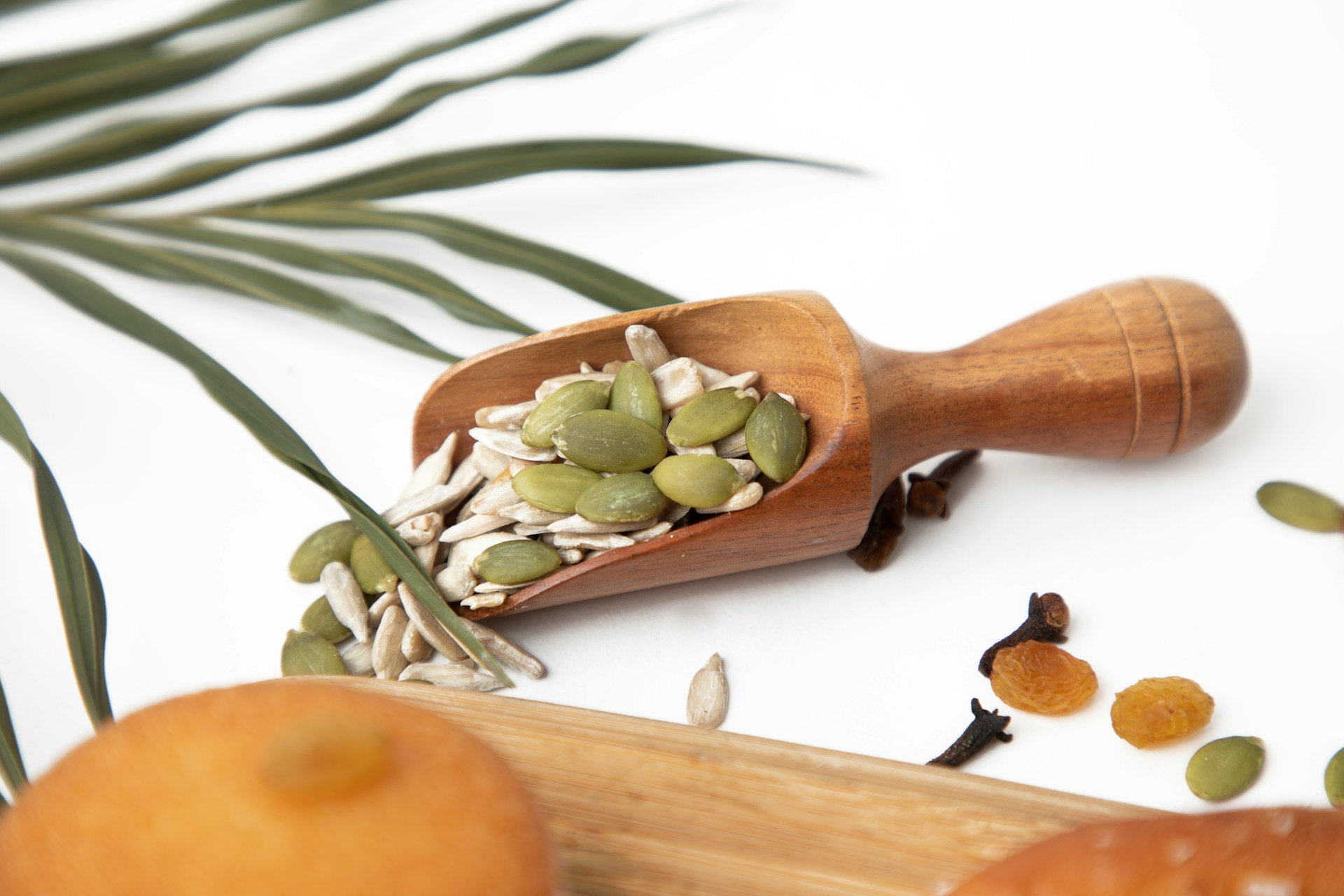
Seed cycling is a natural way to regulate estrogen and progesterone by consuming specific seeds during the two main phases of your menstrual cycle.
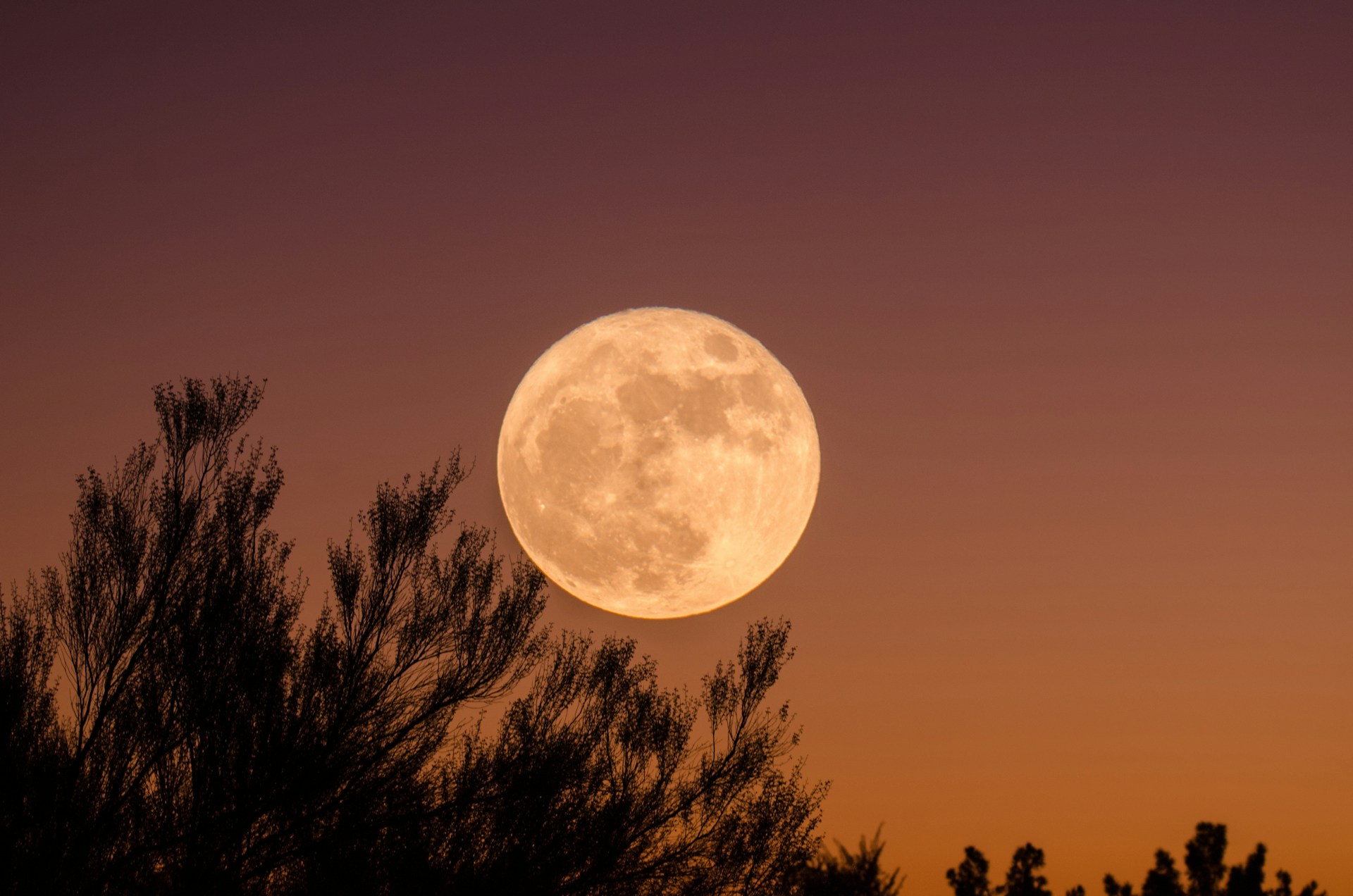
It requires tracking your cycle or the moon cycle if you are post-menopausal or have male anatomy. This may sound odd, but hormonal cycles for both men and women are meant to be in sync, as the goal is to be most fertile at the same time.
A moon cycle is 29.5 days, roughly the same as a healthy menstrual cycle. If you have irregular or missed periods, follow the moon cycle instead, to try and get on a regular pattern.
Phase 1
→ Days 1-14 (Follicular phase)
→ New Moon to Full Moon
Introduce: Pumpkin seeds and freshly ground flax seeds

In the first phase (follicular), estrogen should be the dominant hormone. Consuming flaxseeds boosts estrogen. However, flaxseeds contain lignans which bind to any excess estrogen, removing from circulation what it is not needed.
Pumpkin seeds also boost estrogen, but contain zinc which supports the production of important hormones like follicle-stimulating-hormones (FSH) and the eventual move to ovulation.
Introducing a phytoestrogen (an estrogen-like plant compound) can block estrogen receptor sites and help the body to self-regulate.
Flaxseeds have also been shown to lengthen the luteal phase and decrease symptoms of PMS.
Phase 2
→ Days 15-28 (Luteal)
→ Full Moon to New Moon
Introduce: Sesame and sunflower seeds
In the luteal phase, progesterone is dominant. Sesame seeds support the elevation of serum sex hormone-bind globulin (SHBG) which regulates the entrance of androgens and estrogens into tissues.
Sesame and sunflower seeds are also fatty acids and rich in vitamin E and selenium.
These vitamins and minerals are needed for the production of progesterone, to induce ovulation, and for the detoxification of hormones.
Both estrogen and progesterone are present during this phase, but must be in balance. The lignans found in sesame and sunflower seeds assist in binding to excess estrogen and excreting it.
See phase-dependent recipes for balancing hormones here.
To lower your toxic burden and adopt an anticancer lifestyle, check out my Basics of Anticancer Nutrition Course.
To learn more about oncology support, check out my services page here.
Your first step is to book a Discovery Call.
Citations
- Deng T, Lyon CJ, Bergin S, Caligiuri MA, Hsueh WA. Adipose Tissue Aromatase Overexpression and Obesity-Linked Breast Cancer. Adipocyte. https://www.sciencedirect.com/science/article/abs/pii/S030372071730499
- Simpson ER, Brown KA. Obesity and breast cancer: Role of estrogens and the molecular underpinnings of aromatase regulation in breast adipose tissue. Mol Cell Endocrinol. 2017.
- Paterni I, Granchi C, Katzenellenbogen JA, Minutolo F. Estrogen receptors alpha (ERα) and beta (ERβ): Subtype-selective ligands and clinical potential. Steroids.
- Fucic A, et al. Assessment and Molecular Actions of Endocrine-Disrupting Chemicals That Interfere with Estrogen Receptor Pathways. Int J Mol Sci. https://pmc.ncbi.nlm.nih.gov/articles/PMC3659515/
- Ricciotti E, FitzGerald GA. Prostaglandins and inflammation. Arterioscler Thromb Vasc Biol. 2011;31(5):986-1000. doi:10.1161/ATVBAHA.110.207449
- Phipps WR, Martini MC, Lampe JW, Slavin JL, Kurzer MS. Effect of flax seed ingestion on the menstrual cycle. The Journal of Clinical Endocrinology & Metabolism. 1993;77(5):1215-1219. doi:10.1210/jcem.77.5.8077314
- Flower G, Fritz H, Balneaves LG, et al. Flax and Breast Cancer: A Systematic Review. Integr Cancer Ther. 2014;13(3):181-192. doi:10.1177/1534735413502076
- Habib, F. K., S. Q. Maddy, and S. R. Stitch. “Zinc Induced Changes in the Progesterone Binding Properties of the Human Endometrium.” Acta Endocrinologica 94, no. 1 (May 1980): 99–106. https://doi.org/10.1530/acta.0.0940099.
- Wu WH, Kang YP, Wang NH, Jou HJ, Wang TA. Sesame ingestion affects sex hormones, antioxidant status, and blood lipids in postmenopausal women. J Nutr. 2006;136(5):1270-1275. doi:10.1093/jn/136.5.1270
- Favier AE. The role of zinc in reproduction. Biol Trace Elem Res. 1992;32(1):363-382. doi:10.1007/BF02784623
- Habib FK, Maddy SQ, Stitch SR. Zinc induced changes in the progesterone binding properties of the human endometrium. Acta Endocrinol (Copenh). 1980;94(1):99-106. doi:10.1530/acta.0.0940099
Further reading:
- Preston J. How To Use Seed Cycling To Influence Your Hormones. Rupa Health. Published December 1, 2022. Accessed March 1, 2024.
© 2024 Mistletoe Nutrition and Wellness LLC
Disclaimer: The information shared on this blog post is intended for inspirational and informational purposes only and is not a substitute for medical advice. Nothing on this blog post is intended to diagnose, treat, prevent, or cure any disease. Consult with your healthcare provider before making any dietary, lifestyle, or supplement changes and do not forego or delay seeking medical attention based on the information shared on this blog post You acknowledge and agree that the results of any of our services, offerings, or products as described in a testimonial are not typical, are for illustrative purposes only, and cannot be guaranteed or assumed to be achievable by you. Please always consider your personal situation and do your own research.
Book a free Discovery Call to learn more.
Stay connected with news and updates!
Integrative cancer care resources, anti-cancer recipes, and whole-person health articles for those with a cancer diagnosis - at any stage of survivorship.
I don't spam, and I will never sell your information, for any reason.
