Immune Boosting Fire Cider: A Sugar-Free Fall Tonic for Cold and Flu Season
Oct 27, 2026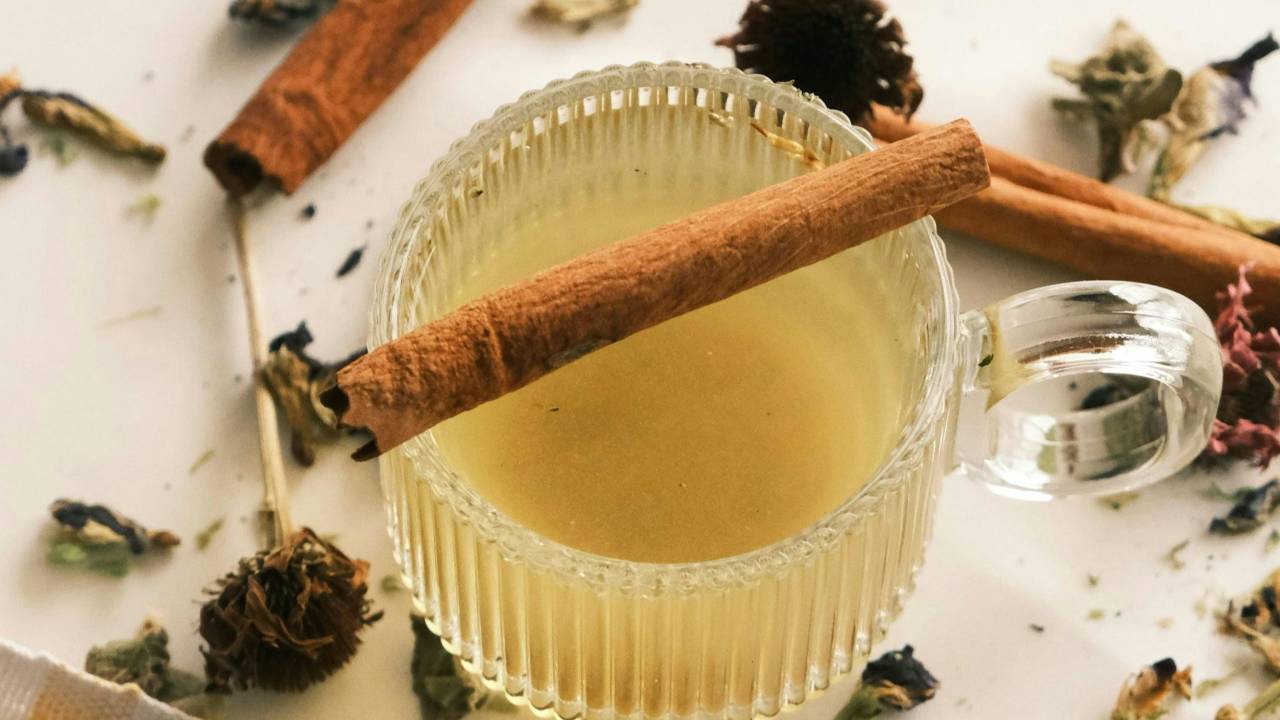
Halloween is this week, and for many of us it kicks off a two-month stretch of candy bowls, pie, cookie exchanges, and holiday drinks.
It also lines up with the start of cold and flu season. In the US, flu activity typically starts to rise in October and often peaks between December and February.1
That overlap is exactly why I make a big jar of fire cider every fall. In this post, I'll share my recipe, what the research says about its ingredients, how I use it, and what to keep in mind if you're in or after cancer treatment.
What Is Fire Cider?
Fire cider is a folk tonic made by steeping pungent, warming foods like garlic, onion, ginger, and hot peppers in apple cider vinegar for several weeks to a month. The name was popularized by herbalist Rosemary Gladstar in the late 1970s, though honey and vinegar remedies go back much further.
Many fire cider recipes are sweetened with honey. Mine isn't, and that's on purpose. This time of year, most of us are already getting plenty of added sugar, so I wanted a tonic that adds plant compounds and flavor without adding more.
Why Sugar and Immunity Belong in the Same Conversation
I'm not here to take away anyone's Halloween candy. But it's worth understanding why a season of frequent sweets is also a good time to pay closer attention to your immune system.
- Sugar and your first-responder immune cells. In a small study, healthy adults who consumed 100 grams of sugar (from glucose, fructose, table sugar, honey, or orange juice) had neutrophils that were less able to engulf bacteria for at least five hours afterward. 2
- Sugar and your gut's immune cells. A 2022 study in mice published in Cell found that dietary sugar shifted the balance of gut bacteria and depleted a type of protective immune cell in the intestines.3
- Where vinegar comes in. A meta-analysis of clinical trials found that consuming vinegar with a meal lowered the rise in blood sugar and insulin afterward.4 The studies were small and short-term, but it's one reason a splash of an apple cider vinegar tonic before a holiday meal makes sense to me.
Your takeaway: enjoy the treats you love in moderation, and try to have them alongside or after a balanced meal rather than grazing on sweets all day. Then build in daily habits that support your immune system, like plenty of colorful plants, good sleep, and yes, a little fire cider.
What's in My Fire Cider and Why
Garlic
Garlic is one of the most researched foods for immune health. A review in Nutrients describes garlic's sulfur-rich compounds, especially allicin, as having antibacterial, antiviral, anti-inflammatory, and immune-modulating activity. Allicin isn't present in a whole clove. It forms when garlic is cut or crushed, which is why this recipe calls for minced garlic.5
Human studies are promising:
- In a randomized, placebo-controlled trial of 120 healthy adults, people who took aged garlic extract daily had better-functioning natural killer (NK) cells and gamma-delta T cells, two types of immune cells that help the body respond to viruses.
- Over 90 days, they didn't catch fewer colds or flus, but when they did get sick, they reported fewer symptoms, fewer days feeling unwell, and fewer missed days of work or school.6
- In a 2023 randomized trial published in Nutrients, older adults in a nursing home who took a daily garlic and onion extract had significantly fewer respiratory infections over the fall and winter, including colds and flu-like illness, than those taking a placebo.7
These trials used concentrated garlic and onion supplements, not fire cider, and a Cochrane review notes that more high-quality trials are still needed.8 But together they make garlic a strong foundation for a cold and flu season tonic.
Garlic and brain cancer research. Garlic has also drawn research interest for certain cancers, including brain cancer. In a lab study published in the journal Cancer, three of garlic's sulfur compounds (DAS, DADS, and DATS) triggered programmed cell death, the body's built-in process for clearing damaged cells, in human glioblastoma cells.9
The Nutrients review also notes that another garlic compound, ajoene, has been studied against glioblastoma stem cells.5 As a brain cancer survivor, I follow this research closely. These are lab studies using purified compounds rather than human trials, and findings like these vary by cancer type, but they're part of why garlic shows up in my kitchen nearly every day.
Fresh Ginger
A 2024 review describes ginger's antioxidant, anti-inflammatory, and immune-modulating effects, meaning it may help balance immune activity rather than simply ramp it up. Most of that evidence comes from lab and animal studies.10
In one lab study using human airway cells, fresh ginger (but not dried) showed activity against respiratory syncytial virus (RSV), a common cause of cold-like illness.11 That's why I call for fresh ginger here.
Turmeric and Black Pepper
Curcumin, the most studied compound in turmeric, is poorly absorbed on its own. In a small 1998 study, adding piperine (the compound that gives black pepper its bite) greatly increased how much curcumin reached the bloodstream.12
Curcumin is also being studied in brain cancer: a 2021 review in Nutrients summarizes lab and animal research on how curcumin affects glioblastoma cells.13 Pairing turmeric with black pepper is an easy habit to bring into your kitchen.
Onion
Onions are one of the richest food sources of quercetin, a plant pigment, along with sulfur compounds similar to garlic's. A review of onion research found anti-inflammatory, antioxidant, and immune-balancing effects from onion and its main compounds, mostly in lab and animal studies.14 Onion was also part of the garlic and onion extract in the nursing home trial above.7
Rosemary
Rosemary contains carnosol, carnosic acid, and rosmarinic acid, compounds that have shown antimicrobial, antioxidant, and anti-inflammatory activity in research.15 It also gives fire cider a warm, piney flavor.
Thyme or Oregano
Thyme and oregano are rich in carvacrol and thymol, two aromatic compounds with well-documented antimicrobial and antioxidant activity. 16 Herbalists have long used thyme for coughs and congestion, which makes it a natural fit for a cold-season tonic.
Cinnamon
A review in Nutrients describes cinnamon's antibacterial compounds, including cinnamaldehyde (the compound responsible for its flavor and aroma), along with its long traditional use for respiratory and digestive complaints.17
Regular ingestion of cinnamon has also been shown to balance blood sugar. A whole cinnamon stick also softens the sharpness of the vinegar. And makes this recipe taste less like pizza.
Jalapeño and Cayenne
Hot peppers bring the "fire." Many people find their warming heat comforting on a cold day, and they make the tonic feel like it's working. I include them mainly for warmth and flavor, however, cayenne also shows anticancer effects in lab studies.
Apple Cider Vinegar
Apple cider vinegar is the base that pulls flavor and plant compounds out of everything else, and it's where the blood sugar research above comes in.4 Choose raw, unfiltered, organic apple cider vinegar with no added ingredients.
How To Use Fire Cider
- As a daily tonic: Fill a shot glass and throw it back. Or, add 1 tablespoon stirred into a small glass of water or warm water if the vinegar irritates your throat. Do not use if you have mouth sores.
- Before a meal: a diluted splash before sitting down to a carb-heavy plate.
- In the kitchen: whisk it into salad dressings, drizzle it over roasted vegetables or sautéed greens, or add a splash to soups and stews.
Note: Apple vinegar intake can cause throat irritation and tooth enamel erosion with mostly undiluted or high intake.18 Drinking it through a straw and rinsing your mouth with water afterward helps protect your teeth.
A Note If You're In or After Cancer Treatment
What's appropriate during cold and flu season varies by cancer type, treatment, and where you are in recovery. If you have mouth sores, a head and neck or upper GI cancer, or reflux, an acidic and spicy tonic may be irritating. A splash in soup or dressing may be gentler than a daily shot.
Your next step: for guidance specific to you, talk with a practitioner trained in integrative oncology, such as a naturopathic oncologist, or your Oncology Nutrition Consultant (ONC).
Immune Boosting Fire Cider
A sugar-free, warming apple cider vinegar tonic for fall and winter. Recipe by Michelle Bruncks, ONC, NTP.
| Prep time5 to 10 min | Infusion time30 days | Servings33 (1.5 oz shot) |
Supplies
- 2 large glass jars (one to infuse, one to store the strained cider)
- Parchment paper
- Sieve
- 1.5 oz shot glass, for serving
Ingredients
Recommended: choose organic for all ingredients.
- 4 garlic cloves, minced
- 1/2 medium yellow onion, diced
- 1 jalapeño, minced
- 1/2 tbsp rosemary
- 1/2 tbsp thyme or oregano
- 1 tbsp fresh ginger, minced
- 1 tsp turmeric
- 1/2 tsp cayenne pepper
- 1/2 tsp black pepper
- 1 cinnamon stick
- 50 oz apple cider vinegar
Instructions
- Mince the garlic, jalapeño, and ginger, and dice the onion.
- Add all of the ingredients except the vinegar to a clean, large glass jar.
- Pour the apple cider vinegar over the top until everything is fully covered, leaving a little space at the top of the jar.
- Place a square of parchment paper over the mouth of the jar before screwing on the lid. This keeps the vinegar from corroding a metal lid.
- Label the jar with the date it will be ready, then store it in a cool, dark cupboard for 30 days. Give it a gentle shake every day or two.
- After 30 days, pour the fire cider through a sieve into your second clean jar, pressing on the solids to release as much liquid as possible.
- Store the strained fire cider in the refrigerator.
How To Use
- As a daily tonic: Fill a shot glass and throw it back. Or, add 1 tablespoon stirred into a small glass of water or warm water if the vinegar irritates your throat. Do not use if you have mouth sores.
- Before a meal: a diluted splash before sitting down to a carb-heavy plate.
- In the kitchen: whisk it into salad dressings, drizzle it over roasted vegetables or sautéed greens, or add a splash to soups and stews.
© 2026 Mistletoe Nutrition and Wellness LLC. For informational purposes only and not a substitute for medical advice. Check with your healthcare provider before adding new foods or herbs during cancer treatment.
Want More Immune Support for the Season?
Fire cider is one small piece of the picture. If you'd like to go deeper, explore my other posts on herbs for immunity and medicinal mushrooms for immunity.
And if you'd like a cold and flu season plan built around your body, your cancer type, and your treatment, book a free Discovery Call. We'll look at the whole picture together.
Citations
- Cleveland Clinic. When is flu season? Health Essentials. https://health.clevelandclinic.org/when-is-flu-season
- Sanchez A, Reeser JL, Lau HS, et al. Role of sugars in human neutrophilic phagocytosis. Am J Clin Nutr. 1973;26(11):1180-1184. doi:10.1093/ajcn/26.11.1180
- Kawano Y, Edwards M, Huang Y, et al. Microbiota imbalance induced by dietary sugar disrupts immune-mediated protection from metabolic syndrome. Cell. 2022;185(19):3501-3519.e20. doi:10.1016/j.cell.2022.08.005
- Shishehbor F, Mansoori A, Shirani F. Vinegar consumption can attenuate postprandial glucose and insulin responses; a systematic review and meta-analysis of clinical trials. Diabetes Res Clin Pract. 2017;127:1-9. doi:10.1016/j.diabres.2017.01.021
- El-Saber Batiha G, Magdy Beshbishy A, Wasef LG, et al. Chemical constituents and pharmacological activities of garlic (Allium sativum L.): a review. Nutrients. 2020;12(3):872. doi:10.3390/nu12030872
- Nantz MP, Rowe CA, Muller CE, Creasy RA, Stanilka JM, Percival SS. Supplementation with aged garlic extract improves both NK and γδ-T cell function and reduces the severity of cold and flu symptoms: a randomized, double-blind, placebo-controlled nutrition intervention. Clin Nutr. 2012;31(3):337-344. doi:10.1016/j.clnu.2011.11.019
- García-García J, Gracián C, Baños A, et al. Beneficial effects of daily consumption of garlic and onion extract concentrate on infectious respiratory diseases in elderly resident volunteers. Nutrients. 2023;15(10):2308. doi:10.3390/nu15102308
- Lissiman E, Bhasale AL, Cohen M. Garlic for the common cold. Cochrane Database Syst Rev. 2014;(11):CD006206. doi:10.1002/14651858.CD006206.pub4
- Das A, Banik NL, Ray SK. Garlic compounds generate reactive oxygen species leading to activation of stress kinases and cysteine proteases for apoptosis in human glioblastoma T98G and U87MG cells. Cancer. 2007;110(5):1083-1095. doi:10.1002/cncr.22888
- Ayustaningwarno F, Anjani G, Ayu AM, Fogliano V. A critical review of ginger's (Zingiber officinale) antioxidant, anti-inflammatory, and immunomodulatory activities. Front Nutr. 2024;11:1364836. doi:10.3389/fnut.2024.1364836
- Chang JS, Wang KC, Yeh CF, Shieh DE, Chiang LC. Fresh ginger (Zingiber officinale) has anti-viral activity against human respiratory syncytial virus in human respiratory tract cell lines. J Ethnopharmacol. 2013;145(1):146-151. doi:10.1016/j.jep.2012.10.043
- Shoba G, Joy D, Joseph T, Majeed M, Rajendran R, Srinivas PS. Influence of piperine on the pharmacokinetics of curcumin in animals and human volunteers. Planta Med. 1998;64(4):353-356. doi:10.1055/s-2006-957450
- Wong SC, Kamarudin MNA, Naidu R. Anticancer mechanism of curcumin on human glioblastoma. Nutrients. 2021;13(3):950. doi:10.3390/nu13030950
- Marefati N, Ghorani V, Shakeri F, et al. A review of anti-inflammatory, antioxidant, and immunomodulatory effects of Allium cepa and its main constituents. Pharm Biol. 2021;59(1):287-302. doi:10.1080/13880209.2021.1874028
- Hanson JR. Rosemary, the beneficial chemistry of a garden herb. Sci Prog. 2016;99(1):83-91. doi:10.3184/003685016X14495646283298
- Sharifi-Rad M, Varoni EM, Iriti M, et al. Carvacrol and human health: a comprehensive review. Phytother Res. 2018;32(9):1675-1687. doi:10.1002/ptr.6103
- Nabavi SF, Di Lorenzo A, Izadi M, Sobarzo-Sánchez E, Daglia M, Nabavi SM. Antibacterial effects of cinnamon: from farm to food, cosmetic and pharmaceutical industries. Nutrients. 2015;7(9):7729-7748. doi:10.3390/nu7095359
- Launholt TL, Kristiansen CB, Hjorth P. Safety and side effects of apple vinegar intake and its effect on metabolic parameters and body weight: a systematic review. Eur J Nutr. 2020;59(6):2273-2289. doi:10.1007/s00394-020-02214-3
Book a free Discovery Call to learn more.
Stay connected with news and updates!
Integrative cancer care resources, anti-cancer recipes, and whole-person health articles for those with a cancer diagnosis - at any stage of survivorship.
I don't spam, and I will never sell your information, for any reason.
