Hi there,
When you’re first diagnosed, it's overwhelming. There's a lot you need to know, but it can be hard to navigate those first appointments, and get the clarity you need. Also, the visit often goes by quickly.
Having a few questions ready can help you better understand the plan, advocate for yourself, and make decisions that match your needs and values.
Here are some helpful questions to bring to your next visit:
- What are the goals of my treatment?
- What side effects should I expect, and how can I manage them?
- How will we know if the treatment is working?
- What symptoms should I report right away?
- What resources are available to help with emotional support or symptom management?
You may also want to ask:
- What should I do if I miss a dose or have a reaction?
- How does this treatment fit with my overall care plan?
- What follow-up tests or appointments will I need?
The goal is not to ask every question at once, but to leave your appointment feeling informed and supported.
Bringing a written list can make it easier to remember what matters most to you.
Some questions they may not be able to answer, unless they're an integrative oncologist, addressing the needs of their patient as a whole:
- What integrative therapies do you recommend during my treatment?
- Are there any supplements, herbs, or foods I should avoid right now?
- How can I support my energy, digestion, appetite, or sleep during treatment?
- Are there any therapies that could help reduce side effects from my treatment plan?
- Are there lifestyle changes that may help support my recovery?
There are questions that I, as your Oncology Nutrition Consultant (ONC), researcher, and advocate can help you answer.
Oncology Nutrition is not a substitute for conventional cancer care.
It is a valuable complement to the existing care model which supports the whole patient, from diagnosis through survivorship.
I hope these questions help prepare you for your next appointment.
Sending you love and wishes for your good health,
Michelle

Additional resources:
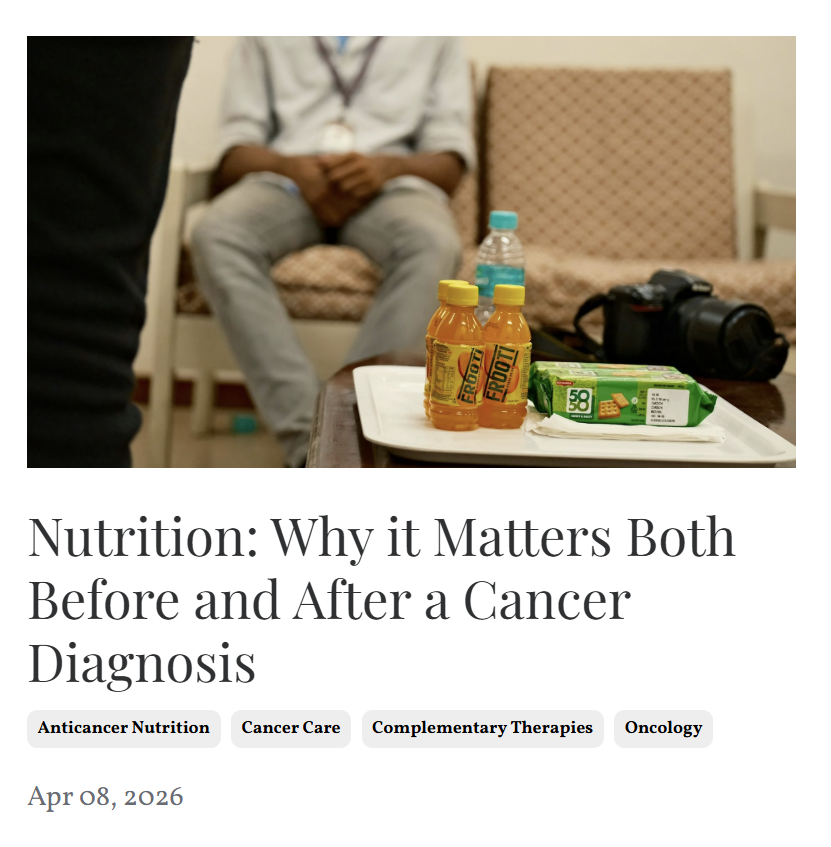
Read this post to learn why nutrition matters so much both before and after a cancer diagnosis.
If you or a loved one are ready for 1:1 support, you can schedule a call to explore what working together might look like, or book a service directly.
If DIY is more your style, check out my self-paced course. (Try it free for 7 days!)
Basics of Anticancer Nutrition
Follow me on: